Spec Home Construction Loan: How Lenders Underwrite the Building You Haven’t Sold Yet
A spec home construction loan finances a build without a signed buyer in place. Lenders price the unsold risk into a lower LTC and a higher rate than a presold build gets. Here is how the underwriting works and what the extension scenario actually costs.
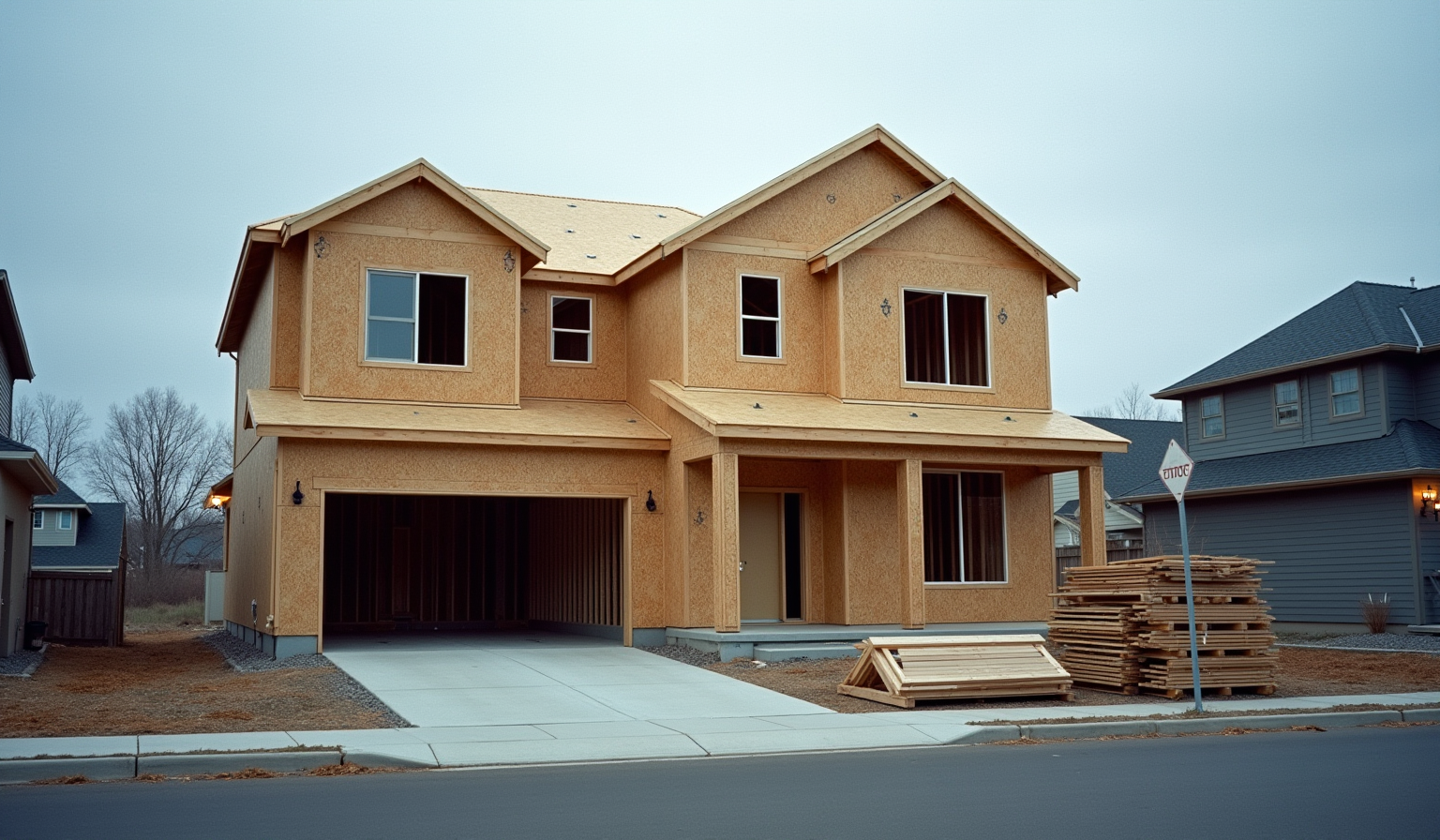
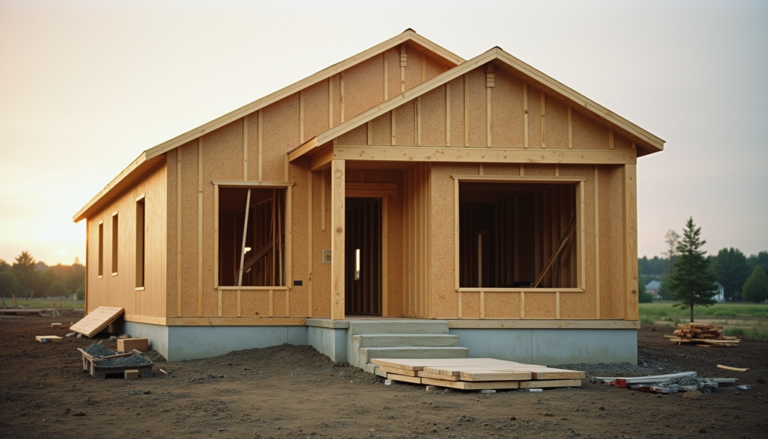
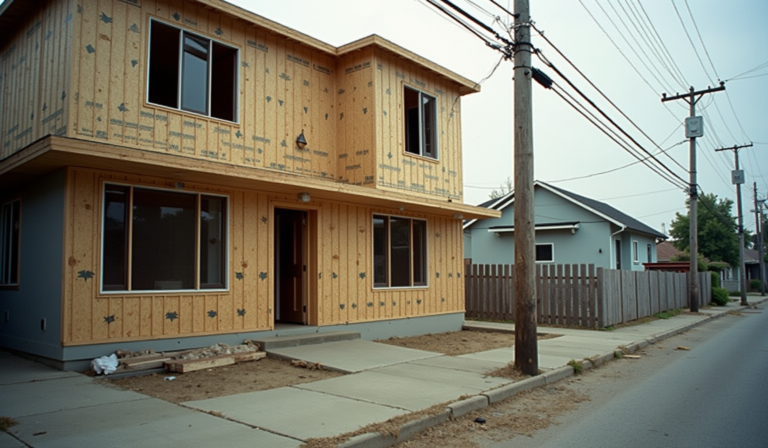
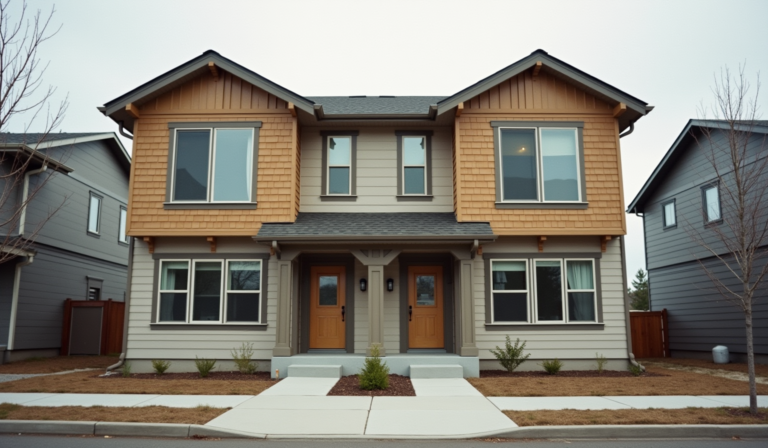
A spec home construction loan finances a property that will be sold after it is built, not before. Because no buyer has signed a contract, the lender is carrying market risk alongside you. That risk shows up in two places: a lower loan-to-cost than a presold build would get, and a rate that reflects the possibility that the finished house sits on the market longer than projected. This loan is for investor-builders. If you are building your own primary residence, this financing does not apply to your situation and consumer construction lenders will serve you better.
Presold vs spec: why the distinction matters to a lender
A presold construction loan has a signed purchase agreement with a creditworthy buyer before the first shovel hits the ground. The lender knows the exit. The spec loan has a business plan and a market thesis instead. That is a meaningful underwriting difference, not a paperwork technicality.
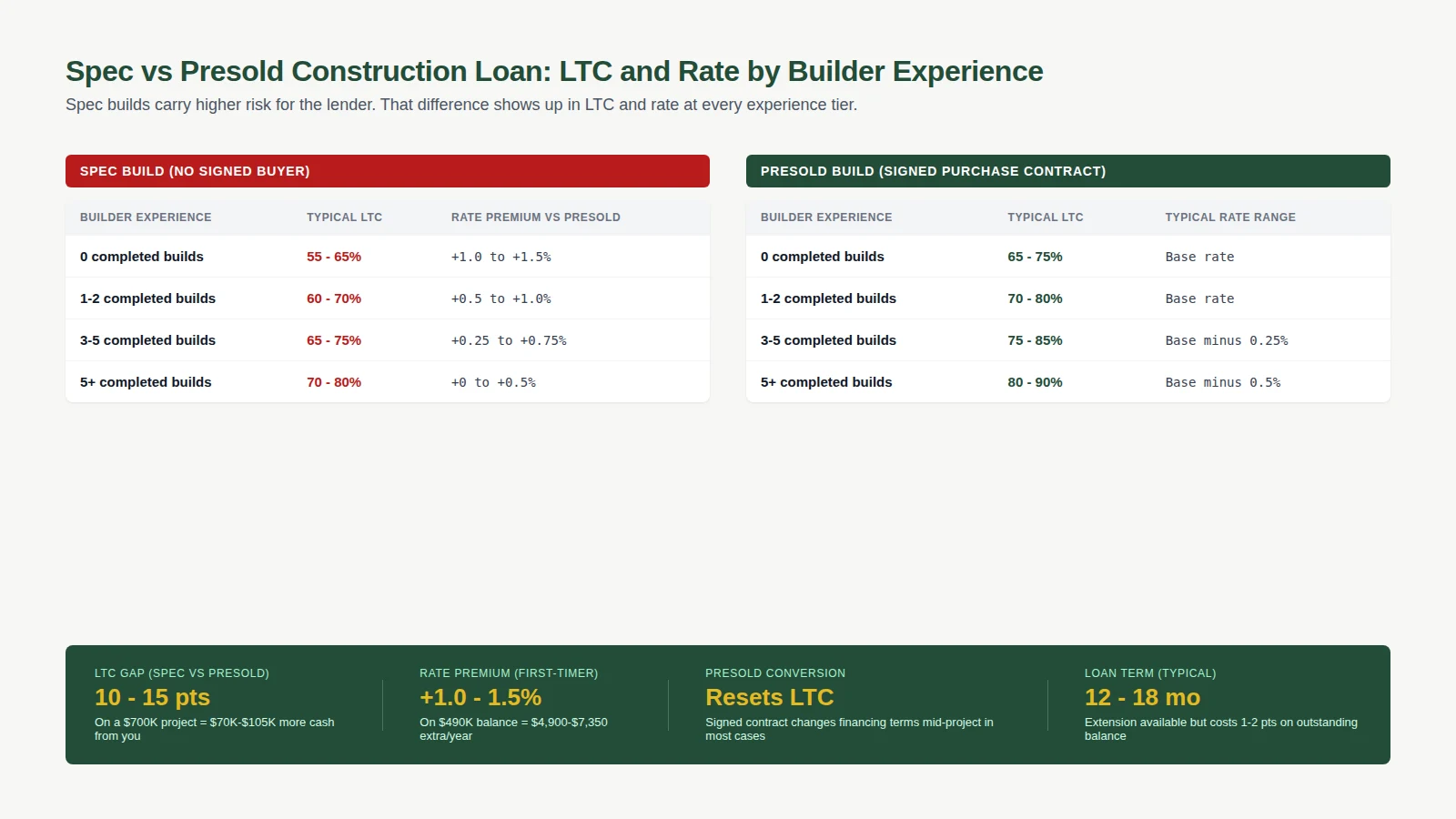
Most lenders who will do spec at all require that the builder carry more equity in the deal. Where a presold project might qualify for 75 to 85 percent of total project cost, a spec build typically comes in at 60 to 75 percent LTC, with the lower end reserved for first-time builders in soft markets. On a $700,000 total project cost, that gap is $70,000 to $105,000 more cash from you before the first draw.
Rate follows the same logic. A presold build might price 50 to 100 basis points inside a comparable spec build. If the presold project is at 11.5 percent, expect the spec equivalent to land somewhere between 12 and 13 percent, with the spread widening if you are a newer builder or the market has absorbed recent new supply. These are market-observed ranges from Q3 2026 and will shift with rates and credit conditions.
What the builder’s track record actually does to the numbers
Experience tiers are sharper on spec than on any other loan type. A first-time builder who wants to do a spec project will find most business-purpose lenders either declining outright or requiring a partner or co-borrower with at least two completed projects on their resume. The lender is not being arbitrary: if the project stalls or the market turns, an experienced builder has options. A first-timer often does not.
The rough tiers, as they appear in most underwriting matrices:
| Builder experience | Typical LTC (spec) | Rate premium vs presold |
|---|---|---|
| 0 completed projects | 55 to 65 percent | +1.0 to +1.5 percent |
| 1 to 2 completed projects | 60 to 70 percent | +0.5 to +1.0 percent |
| 3 to 5 completed projects | 65 to 75 percent | +0.25 to +0.75 percent |
| 5+ completed projects | 70 to 80 percent | +0 to +0.5 percent |
Lenders do not use these tiers as a menu. They use them as a starting point, adjusted for location, market velocity, and the specific deal. A five-project builder working in a submarket where nothing has sold in four months will not get the top tier. A two-project builder with strong comps and a documented pre-marketing list might do better than the table suggests.
Want terms on a specific deal?Answer seven questions and get a decision in 72 hours.
Get FundingThe draw schedule does not change, but the timeline risk does
Construction draws work the same way on a spec build as on any other ground-up project: typically five to seven inspections, the lender releasing funds after each milestone is confirmed, interest charged only on the drawn balance. A $600,000 loan with $250,000 drawn in month four accrues interest on $250,000, not the full line. See the full explanation in our guide to how a ground up construction loan works.
What changes is the clock at the end. A presold project has a closing date built in. The spec build has a market. Once the certificate of occupancy is issued, the construction loan does not automatically extend: it comes due on its maturity date, typically twelve to eighteen months from origination. If the house is not under contract by then, the builder is looking at an extension, a sale at a discount, or in the worst case a default.
Extensions cost money. A typical extension runs one to two points on the outstanding balance, plus a rate step-up. On a $500,000 balance, one point is $5,000 for the extension fee alone, before the stepped-up interest accrues. Two extensions at that scale add $10,000 to $15,000 in financing overhead before you count the additional months of carry.
The carry cost math on an unsold spec home
Run this before you start the project, not after you get the certificate of occupancy.
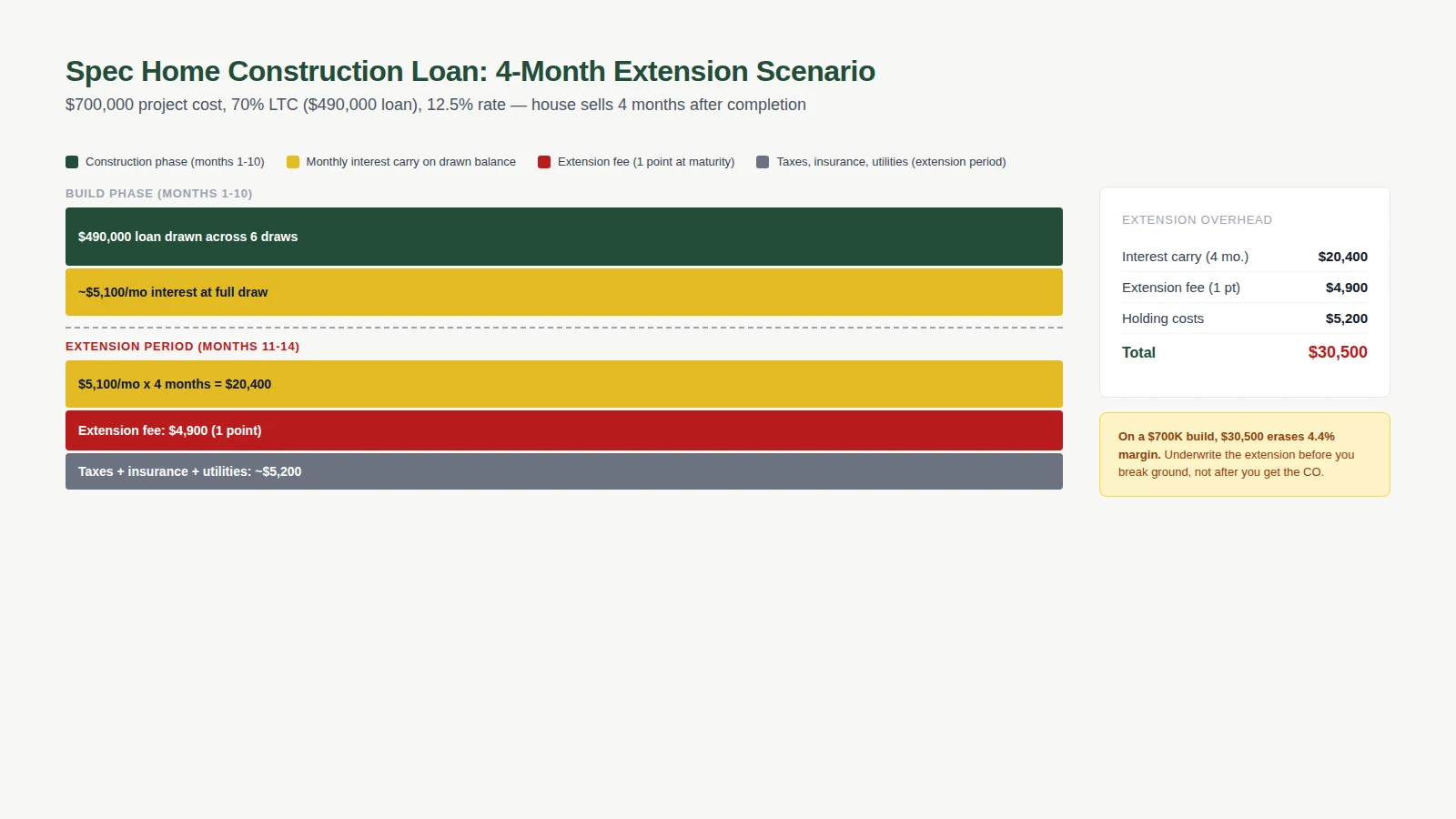
A $700,000 project cost at 70 percent LTC means you borrow $490,000. At 12.5 percent annual interest, the monthly carry on a fully drawn balance is roughly $5,100. Property taxes, insurance, and utility costs in a finished but unoccupied house typically add $800 to $1,500 per month depending on location. If the project finishes in month ten of a twelve-month loan and the house sells in month fourteen, the last four months look like this:
- Interest carry (four months): approximately $20,400
- Extension fee (one point on $490,000): approximately $4,900
- Taxes, insurance, utilities (four months): approximately $4,000 to $6,000
- Total extension overhead: approximately $29,300 to $31,300
That is not a catastrophe on a $700,000 build, but it requires a margin buffer from the beginning. If your pro forma assumed 8 percent gross margin and the extension costs eat 4 percent of that, you are still in positive territory. If your margin was thin to start, the extension converts a profitable project into a breakeven or a loss. Underwrite the worst-case sale timeline, not the median.
What lenders want before they approve a spec project
The builder’s file for a spec loan needs more than the standard new construction loan requirements. Here is what typically trips up a first-time spec builder:
Comparable sales that actually support the exit price. The appraisal is done on a subject-to-completion basis, and the appraiser needs three to five comps that are genuinely comparable. If you are building a 2,400 square foot three-bedroom in a neighborhood where the last three sales were 1,900 square feet, the appraiser will grid down from each comp. The lender will lend against the as-completed value the appraiser produces, not the one you projected in your pro forma.
A builder resume with documented timelines. Prior builds should show completion on or before the contracted schedule. A builder who routinely runs two to three months long on their projects reads as an extension risk before the file is even underwritten.
A realistic hard cost budget with a contingency line. Most lenders want to see 5 to 10 percent contingency on a spec build, versus the 5 percent that might be acceptable on a presold project. The reasoning is direct: if the market softens mid-construction, you cannot go back to a buyer and renegotiate. The project has to finish within budget regardless.
Evidence of pre-marketing activity. A signed purchase contract converts the loan from spec to presold and changes the pricing. Short of that, anything that reduces the marketing timeline has value. Letters of interest, reservation deposits, a listing agent with documented absorption data in the neighborhood, or a project in a supply-constrained submarket all tell a better story than a belief that the market will be good when the build finishes.
Use the ARV calculator to pressure-test your as-completed value against actual comps before you submit. The number the appraiser produces will determine your LTC, and your LTC determines how much of your own capital is tied up for the full build cycle.
When a spec loan is the wrong tool for your project
Spec construction financing is wrong for you if any of the following is true.
You are building to hold as a rental. A spec construction loan is designed for a sale exit. If your plan is to complete and refinance into a DSCR loan, you are better served by structuring the construction phase with the DSCR refinance in mind from day one, rather than retrofitting the spec loan structure to a hold strategy. Seasoning requirements and appraisal standards differ between the two paths.
Your gross margin is under 15 percent of total project cost. Construction projects run late and over budget more often than not. A 15 percent margin is the floor most experienced spec builders work with in a stable market. Below that, the extension scenario described above converts a good project into a breakeven.
You are in a market with rising inventory and flat absorption. Check the months of supply in your submarket before you commit to a spec build. A market at four months of supply is fine. The same market at nine months means your finished spec home is competing against an increasing stack of unsold inventory, and your extension scenario becomes more probable, not a tail risk.
Your operating capital does not cover six months of full carry. The construction loan covers the build. Your reserves cover the months between completion and sale. If you cannot demonstrate six months of carry as liquid reserves, you are underequipped for an unfavorable outcome.
All loans are subject to underwriting and lender approval. Rates, LTC, and terms vary by deal, experience, and market conditions. Nothing here is a commitment to lend or a guaranteed approval. Before starting any spec project, model your full carry cost and call 917-842-9982 to discuss the underwriting requirements for your specific deal.
When a spec loan works
The spec construction loan works well when you have documented experience, a submarket with fast absorption, comps that strongly support your exit price, and a margin that survives a four-month extension without going negative. Builders with five or more completed projects in a well-priced, supply-constrained neighborhood often find that the spec premium over presold is a small cost of not waiting for a signed buyer before starting construction.
Speed to market matters in a competitive new-construction environment. A builder who waits for a presold contract before breaking ground will finish four to six months later than one who starts on spec and secures the buyer mid-construction. In a market with genuine absorption, that timing difference produces a better exit price and a shorter total cycle time, which offsets the spec financing premium.
Read the full breakdown of how rates are set in the construction loan rates guide, including the four levers that move your number regardless of whether your build is presold or spec.
Common questions
What is the maximum LTC on a spec home construction loan?
For most business-purpose lenders, the maximum LTC on a spec build is 75 to 80 percent, and that tier requires five or more completed projects. Most spec borrowers land between 65 and 75 percent. A presold project at the same experience level typically qualifies for 5 to 10 points more LTC, which is the primary financial cost of building without a signed buyer.
Do you need a signed buyer before starting a spec build?
No. A spec build by definition does not have a signed buyer at the start. However, having a letter of interest, a reservation deposit, or documented pre-marketing activity with a local agent will improve your file. A signed purchase contract converts the deal from spec to presold financing, which changes the LTC and rate meaningfully.
What happens if the spec home doesn’t sell before the loan matures?
The lender offers an extension, typically at one to two percent of the outstanding balance plus a rate step-up. Extensions are almost always available on performing loans, but they are not free. If you cannot sell and cannot extend further, the lender may require a price reduction or a paydown. Underwrite the extension scenario before you start, not after you are in it.
How many prior builds do you need to qualify for a spec construction loan?
Many lenders want at least two or three completed projects before they will approve a spec build. A first-time builder can find financing, but the LTC will be lower, the rate will be higher, and some lenders will require an experienced builder as a co-borrower or guarantor. Having documented timelines and cost management on prior projects is more important than a raw count.
Can a spec home construction loan convert to a DSCR rental loan at completion?
Not automatically. If your plan changes from sale to hold, you will need to refinance into a DSCR or conventional investment loan at completion. That refinance requires seasoning in most cases, a new appraisal based on the completed property, and a DSCR above your lender’s floor at the new payment. Model that path before you start if there is any chance you will want it as an option.
Ready to fund your next deal?
Approval within 72 hours. Close in 5 to 10 business days.
Get Funding Now