Construction Loan for Investment Property: How the Underwriting Works When You’re Not Moving In
You can get a construction loan on an investment property, but it is a different product from the consumer construction-to-perm that banks offer homeowners. Here is how investor construction loans are structured, what lenders require, and the math across three exit types.
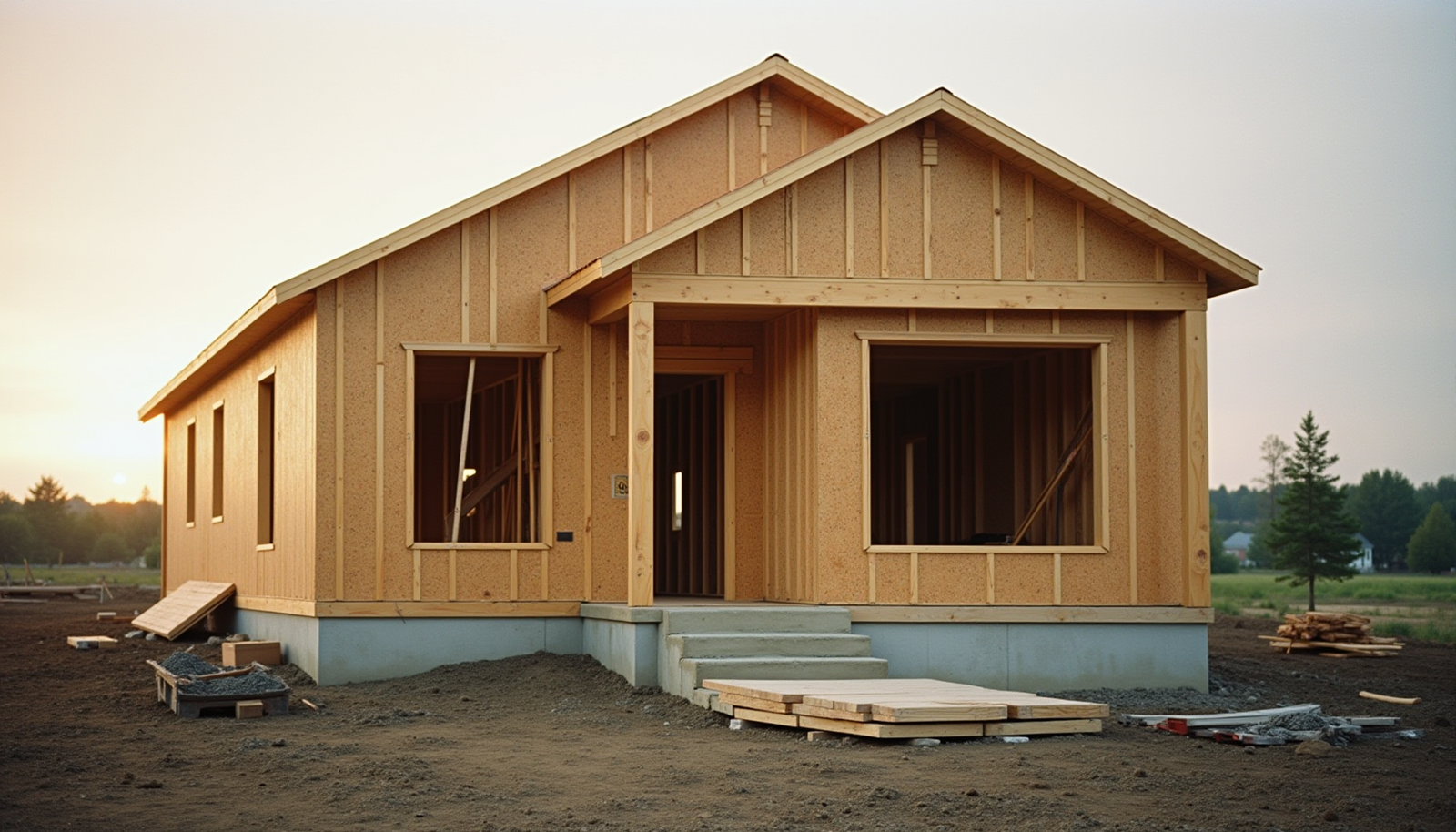
You can get a construction loan on an investment property, but the product is not the consumer construction-to-perm mortgage that banks offer homeowners. If you are building the home you plan to live in, this post is not for you and we cannot fund that loan. If you are building a spec home to sell, a rental to hold, or a property to run through the BRRRR cycle, the loan mechanics and underwriting criteria are different from both consumer financing and a standard fix-and-flip loan.
On a consumer residential construction loan, the lender converts the balance to a permanent mortgage when the certificate of occupancy arrives. That product relies on the borrower’s income, credit score, and debt-to-income ratio. Investor construction loans underwrite the project: what does the land cost, what does the build cost, what will it be worth when it is done, and do you have the experience and the cash to get there. The borrower’s tax returns matter far less than the builder’s resume and the hard cost budget.
How investor construction loans are structured
The loan is sized as a percentage of total project cost, not completed value. That percentage is the loan-to-cost ratio, or LTC. A 65% LTC on a $600,000 total project (land plus construction) gives you a $390,000 loan. You bring the other $210,000.
Some lenders also cap the loan at a percentage of the completed appraised value, typically 65% to 75% of ARV. If the lender applies both limits, the loan is set at whichever is lower. On a project with thin margins, the ARV cap can bind harder than the LTC cap. A $600,000 project with a $700,000 ARV and a 65% ARV cap produces a $455,000 ceiling, so the LTC limit of $390,000 controls. On a project where the ARV cap compresses the loan below the LTC limit, the difference comes out of your down payment.
Draws are released as work is completed and inspected. You are not handed a lump sum at closing. Each draw requires an inspection, which typically takes one to three business days. Interest accrues only on the drawn balance, not the full commitment. On a $390,000 loan where you have drawn $130,000 by month three, you are paying interest on $130,000, not $390,000. That mechanism is what makes construction financing cheaper per dollar of project value than the headline rate suggests.
The three builds, and how each changes the loan
Lenders categorize investment property construction by what happens when the certificate of occupancy arrives. Each exit type changes the loan structure, the LTC available, and sometimes the rate.
Spec for sale. You are building with no buyer under contract, planning to list the property on the MLS at completion. Lenders treat this as the highest-risk exit because it depends on market conditions that do not yet exist. LTC on a speculative build typically runs 60% to 65%. A presold spec (meaning you have a signed purchase contract before you break ground) can reach 70% LTC with some lenders because the exit risk is gone. The loan term is usually 12 months with one or two 3-month extension options.
Build to rent. You are building a single-family or small multifamily property you intend to hold as a rental. The construction loan pays for the build, then you refinance into a DSCR loan at completion. LTC is similar to spec: 65% on most projects. The difference is that the lender underwrites the construction phase and the planned DSCR refi simultaneously, which means the rent model and the after-construction DSCR matter during the construction underwrite. If the projected rents do not support a 1.0 DSCR at reasonable market rates on the refi loan, the exit is fragile and the lender will price it accordingly.
BRRRR build. This is build-to-rent with a capital recycling intent: you plan to pull out most of the equity via the DSCR refi and redeploy it into the next project. The construction loan structure is identical to build-to-rent, but the underwriting conversation includes your post-refi cash position and whether the DSCR refi at 75% LTV will actually return meaningful equity.
Want terms on a specific deal?Answer seven questions and get a decision in 72 hours.
Get FundingThree scenarios on the same project
Take a single-family project: $80,000 land, $320,000 hard costs, $600,000 ARV. Total project cost is $400,000. The table below shows how the numbers work across three exit types. All figures are illustrative examples.
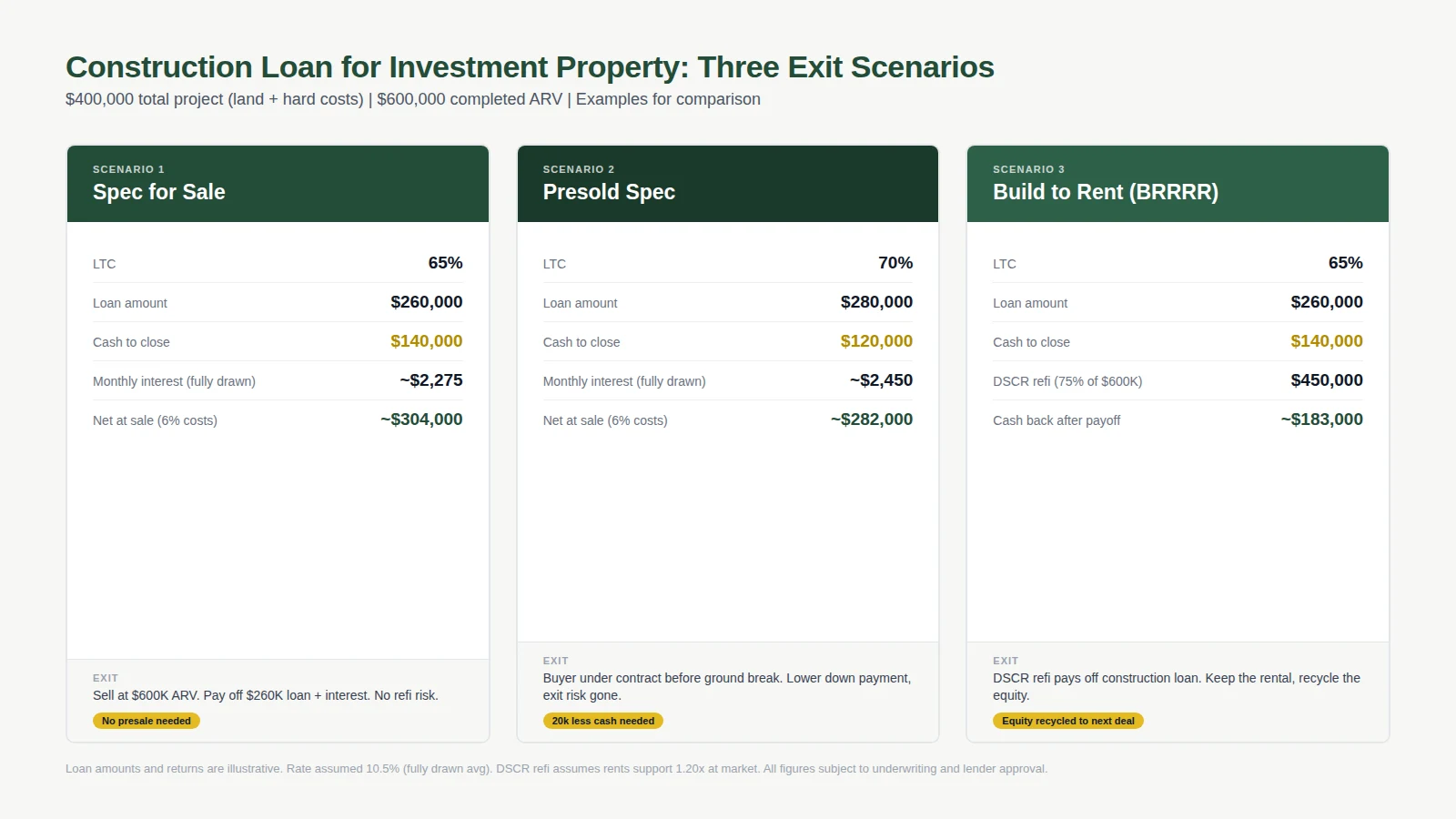
The build-to-rent case assumes a $600,000 completed value, rents supporting a 1.20 DSCR at the DSCR refi rate, and a 75% LTV on the refinance. If the stabilized rents come in lower, the DSCR refi LTV may be capped at 70%, producing $420,000 against the $260,000 payoff: still approximately $153,000 back after interest, but not $183,000. Run the numbers through the ARV calculator before you commit to a project budget, not after you break ground.
What lenders require from investor borrowers
Experience matters more in construction than in any other loan type. The risk is not only the market: it is the build itself. A first-time developer is more likely to go over budget, miss inspections, and need an extension. Lenders price that risk through two mechanisms: higher down payments on first-time builders, and sometimes a hard decline on complex projects.
Most investor construction lenders tier requirements by completed project count:
| Experience tier | Typical LTC range | Reserve requirement | Builder requirement |
|---|---|---|---|
| 0 completed builds | 55% to 60% | 12 to 18 months PITIA | Licensed GC required; owner cannot self-build |
| 1 to 2 completed builds | 60% to 65% | 6 to 12 months PITIA | Licensed GC required |
| 3 or more completed builds | 65% to 70% | 3 to 6 months PITIA | Licensed GC or qualified owner-builder |
The builder approval runs parallel to the borrower approval. Your general contractor needs a valid license, verifiable insurance (typically $1M per occurrence), and a clean lien history. Some lenders require the GC to have completed at least two projects in the same property type. If your GC cannot produce a recent project list with contact references, the file will stall in underwriting regardless of how clean the borrower package is.
Plans and permits come before the loan closes. The lender orders an appraisal subject to completion using the architectural drawings and the scope of work. If the plans change materially mid-build, you need a change order approved by the lender, which restarts a partial appraisal review. That adds days, sometimes weeks, and draws do not release until it clears.
The other document lenders scrutinize is the hard cost budget, line by line. A 10% contingency is standard. If your budget shows no contingency, the lender will add one and recalculate your LTC, which reduces your loan amount. This is one of the most common reasons the term sheet comes back smaller than expected. For a full breakdown of what goes into the underwriting file, see construction loan requirements for a ground up spec build.
How this differs from a fix-and-flip loan
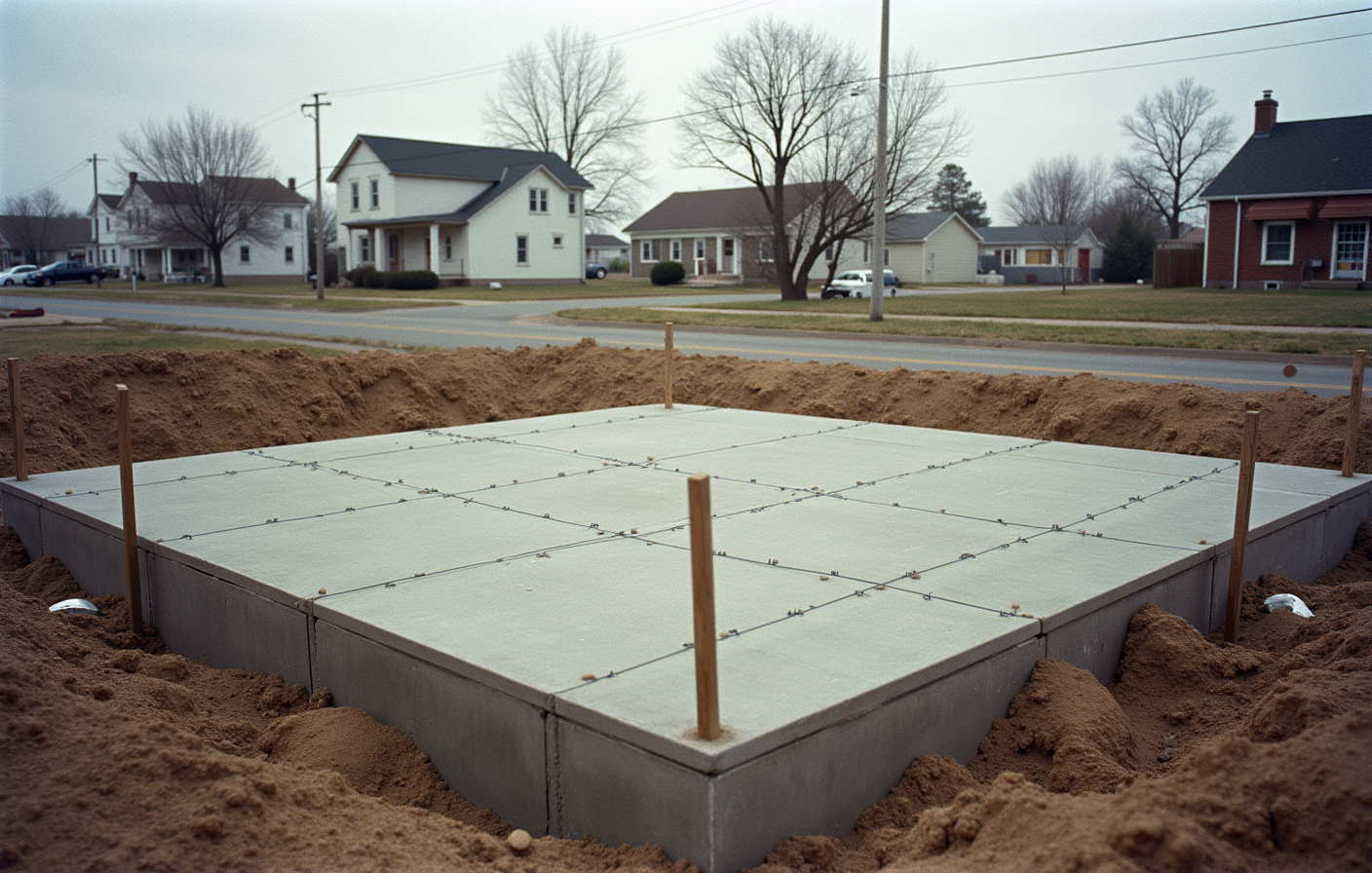
A fix-and-flip loan funds the purchase and renovation of an existing property. A construction loan funds land acquisition and a ground-up build. The differences that matter in practice:
A flip loan releases the renovation budget in draws against completed work, same as a construction loan. But a flip starts with an existing structure, so the appraisal has a current as-is value. A construction loan has no existing structure; the entire collateral is the ARV projection. That is part of why construction loan rates typically run 0.5 to 1.0 percentage points above fix-and-flip rates on the same lender’s term sheet, when comparing similar experience tiers.
A flip also typically closes in 5 to 10 business days because the structure exists and the purchase is straightforward. A construction loan takes 3 to 4 weeks at minimum because plans, permits, and a subject-to-completion appraisal must all be in place before closing. Factor that lead time into your land purchase contract if you are buying raw land.
When this loan is wrong for you
Owner-occupant builds. If you plan to live in the property you are building, this is not the right loan and we cannot fund it. That project requires a consumer construction-to-perm from a bank or credit union. The two products are regulated differently and the underwriting criteria are not interchangeable.
Projects without permits or plans. A lot and a vision is not a fundable project. You need architectural plans, a permit application at minimum, and a licensed GC with a signed contract before a construction lender will open a file. Pursuing financing before the plans are ready does not speed up the process: it just produces a conditional approval that cannot close until the plans arrive anyway.
Investors with no liquidity cushion. Construction projects almost always cost more than the original budget. If your down payment and closing costs consume most of your available cash, a construction loan is the wrong move right now. An overrun with no reserves stops the build, and a stalled build triggers default provisions that make the loss worse than an overrun would have been. The reserve requirements in the table above are a floor, not a target.
Very short timelines. If you have a land deal that needs to close in a week, a construction loan cannot meet that timeline. A bridge loan on the land can. Acquire the land, then assemble the construction package and convert into the construction loan when the plans and GC contract are ready. The new construction loan program can take over once the land is secured.
Projects where rent projections are marginal. If you are building to rent and the projected rents do not clearly support a 1.0 DSCR at current market rates, the DSCR refi exit is fragile. A 50-basis-point rate move or a quarter of softer rents at lease-up could mean you cannot refinance at the LTV you need to recapture your equity. Review how the construction-to-DSCR sequence works, and what breaks it, in construction to permanent financing for a rental property.
The cost when the build runs long
Construction loans typically carry a 12-month term with one or two 3-month extension options. Extensions cost money: standard extension fees run 0.5% to 1.0% of the loan balance per extension. On a $300,000 construction loan, a single 3-month extension at 0.75% adds $2,250 to your carry cost. Two extensions add $4,500. That is before the additional interest-on-drawn-balance you pay during those extra months.
If you exhaust your extensions and the build is not complete, the loan defaults, which triggers a penalty rate and a workout process that is expensive and slow. The practical answer is to build extension buffer into your original budget model. A 14-month build projected onto a 12-month loan is already in trouble on day one. Factor 10% to 15% schedule contingency the same way you factor cost contingency.
Investors who plan to refinance into a BRRRR hold should also note that DSCR lenders apply seasoning requirements to newly completed properties. Some want to see 3 months of operating history before they will lend on the stabilized value. That 3-month gap is not free: you are paying construction loan interest on the balance while you wait. Build it into the model. See the BRRRR loan program for how we structure the handoff between the two loans.
What to do next
If you have a project site, architectural plans, and a licensed builder under contract, the fastest path to a term sheet is to package those three items before you make the first call. The file moves as fast as the appraisal, and the appraisal cannot start until the plans are in hand.
For a detailed look at what underwriters check on each document in the file, read construction loan requirements for a ground up spec build. For investors planning a rental exit, review the DSCR refi math before committing to the project budget in construction to permanent financing for a rental property.
Call 917-842-9982 to discuss a specific project.
Common questions
Can you get a construction loan on an investment property with no building experience?
Yes, but you will face a lower LTC (often 55% to 60% versus 65% to 70% for experienced builders) and a higher reserve requirement. Most lenders will also require a licensed general contractor rather than allowing you to owner-build. The loan is available to first-time investors, but you bring more cash and pay a rate premium for it.
How is a construction loan for investment property different from a consumer construction loan?
Consumer construction loans underwrite the borrower: income, credit score, debt-to-income ratio. Investor construction loans underwrite the project: LTC, ARV, builder experience, budget, and exit strategy. Consumer products often convert to a permanent mortgage at completion. Investor products do not: you pay off the construction loan and refinance into a DSCR loan or sell the asset.
What down payment do you need for an investment property construction loan?
On a 65% LTC loan, you bring 35% of total project cost plus closing costs and reserves. On a $400,000 project (land plus hard costs), that is $140,000 down before closing costs and reserves. First-time builders at 60% LTC bring $160,000 on the same project. The down payment is calculated on total project cost, not completed value.
Can you use a construction loan to build a BRRRR property?
Yes. The construction loan functions the same as a build-to-rent loan. The difference is your business plan: you are targeting a DSCR refinance at completion that returns most of your equity so you can redeploy it. Underwriters will want to see that the projected rents support a 1.0 DSCR at the DSCR refi rate before they approve the construction loan. Run that math before you open the file.
How long does it take to close an investment property construction loan?
Three to four weeks at minimum. The timeline is driven by the subject-to-completion appraisal, which can only start once architectural plans and a full scope of work are submitted. Compare this to a fix-and-flip loan, which can close in 5 to 7 business days because the appraisal works off an existing structure. If you are buying raw land on a tight timeline, consider a bridge loan on the land purchase while you assemble the construction loan package.
Ready to fund your next deal?
Approval within 72 hours. Close in 5 to 10 business days.
Get Funding Now