Construction Loan Draw Schedule: How the Money Actually Moves on a Build
A construction loan holds the funds and releases them in five or six milestone-based tranches as completed work is inspected and verified. Here is how that process works from the investor side.
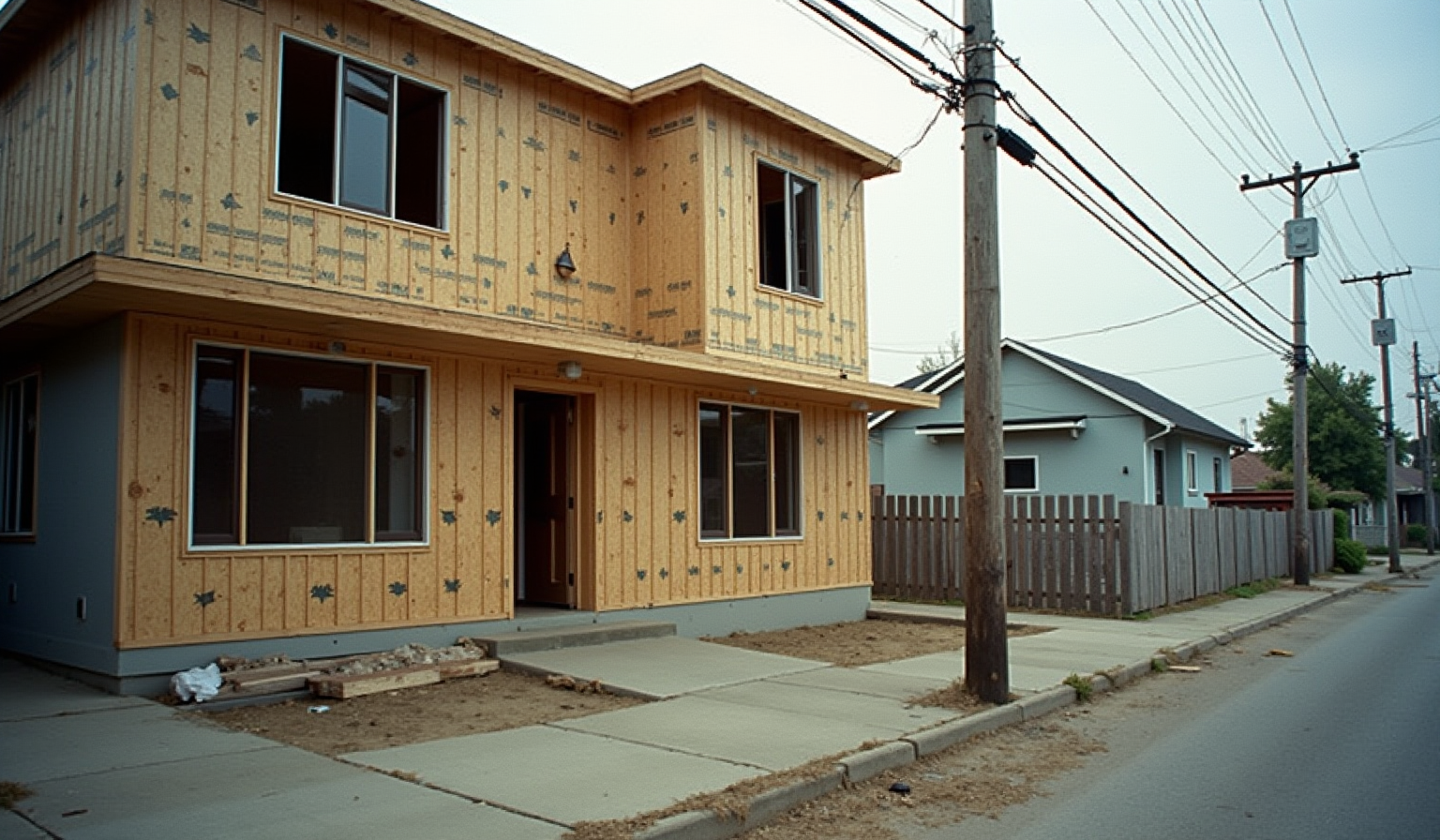
A construction loan does not hand you the money at closing. It holds the funds and releases them in five or six tranches as completed work is verified by an independent inspector. If you are building a primary residence, your bank’s construction-to-perm desk handles this. This post is for investors building to flip or to hold as a rental, where the draw mechanics shape how you manage your contractor and your cash position throughout the build.
What a draw actually is
Each draw is a reimbursement, not a prepayment. Your contractor finishes a phase of work, you submit a draw request with invoices and lien waivers, the lender dispatches an inspector, and if the inspection passes, the funds wire in three to seven business days. The lender does not pay your contractor directly. The money comes to you.
That sequence creates a float requirement. Between the time your GC finishes framing and the time the lender wire clears, your contractor has already paid for lumber, labor, and equipment. GCs who work regularly with business-purpose lenders know this and price it into their bids. GCs who primarily work on owner-occupied builds may not, because some bank construction-to-perm products disburse differently. Asking this question before you hire a contractor saves a harder conversation in month two or three.
How a six-draw schedule looks on a $550,000 build
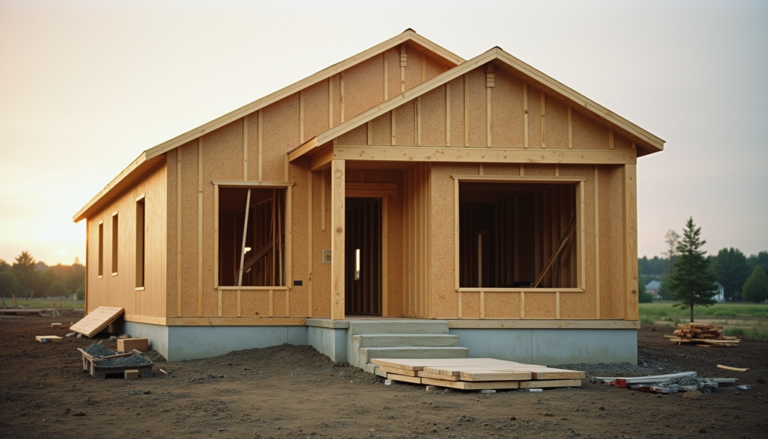
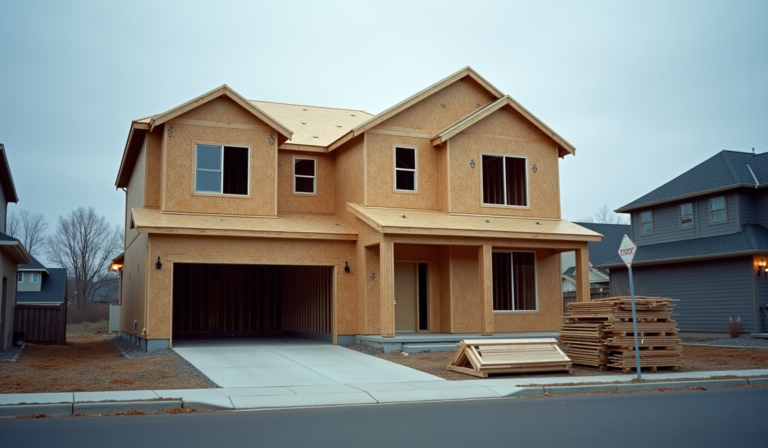
Most investor construction loans are structured into five or six milestone-based draws. Percentages vary by lender and project type. Here is a realistic schedule on a $550,000 hard cost budget, with the interest accruing at each stage at an 11 percent annual rate:
| Draw | Milestone | % of Budget | Amount | Cumulative Drawn | Monthly Interest |
|---|---|---|---|---|---|
| 1 | Foundation and site work | 15% | $82,500 | $82,500 | $756 |
| 2 | Framing and roof structure | 25% | $137,500 | $220,000 | $2,017 |
| 3 | Mechanicals rough-in (MEP) | 15% | $82,500 | $302,500 | $2,773 |
| 4 | Drywall and exterior skin | 20% | $110,000 | $412,500 | $3,781 |
| 5 | Finishes and fixtures | 15% | $82,500 | $495,000 | $4,538 |
| 6 | Final completion and certificate of occupancy | 10% | $55,000 | $550,000 | $5,042 |
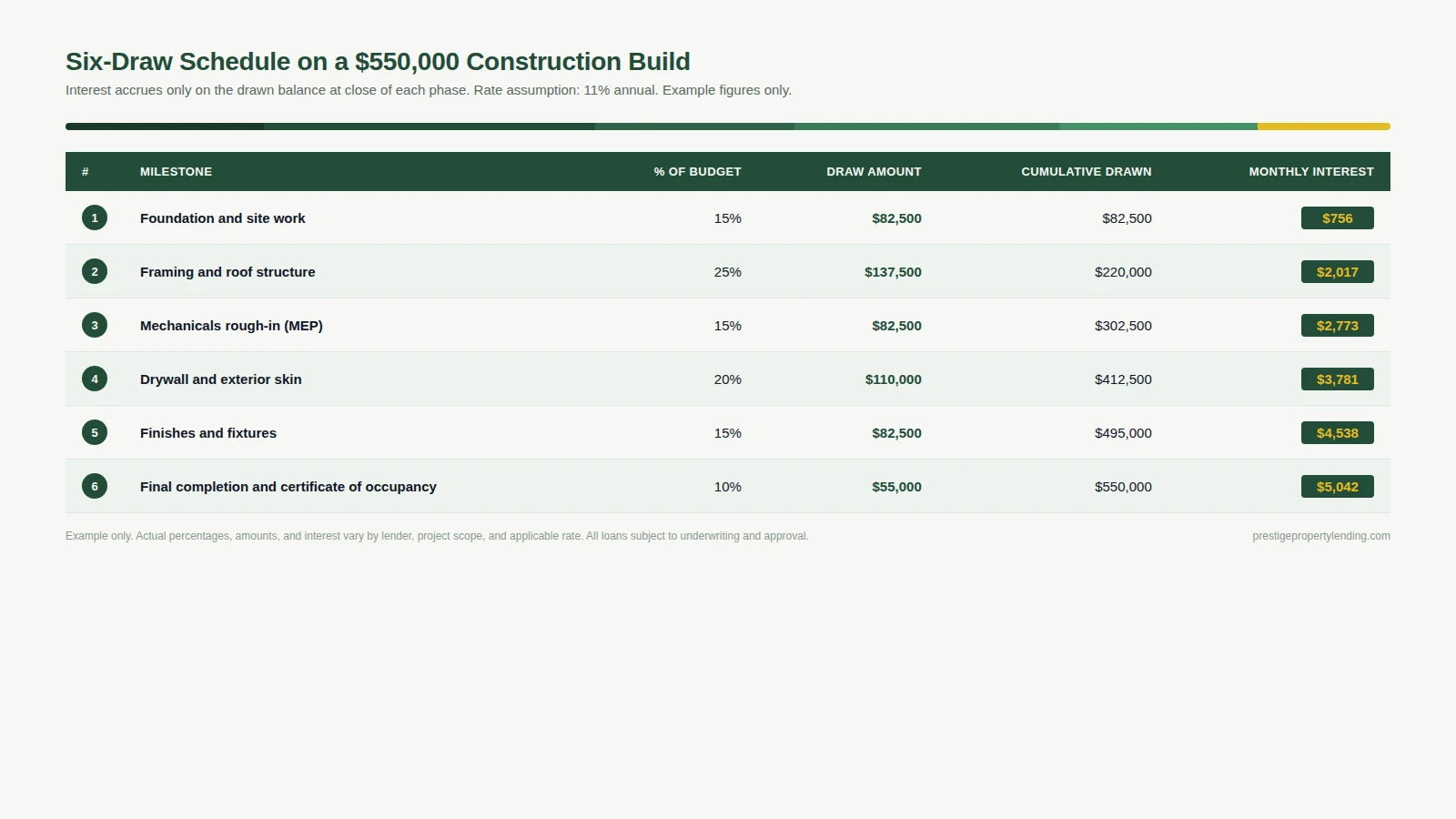
If each phase takes roughly two months, the total interest across a 12-month build comes to approximately $33,000 to $35,000. That number moves depending on how long each phase actually takes. If your framing crew loses three weeks to weather or a lumber delivery delay, the interest accruing during that phase runs higher than the table shows, because you are holding a larger drawn balance for longer than the model assumed.
Want terms on a specific deal?Answer seven questions and get a decision in 72 hours.
Get FundingInterest accrues on the drawn balance only
This is the number that distinguishes a construction loan from a bridge or term loan of the same size. On a $550,000 commitment at 11 percent, you do not pay $60,500 in interest for the year. You pay 11 percent on $82,500 until framing is done, then on $220,000, and so on as each draw releases.
On the schedule above, paying interest on the full commitment from day one would cost roughly $60,500 over 12 months. The draw-based interest totals approximately $33,000 on a project that moves on schedule. The difference is $27,500, and it increases every month the early phases run slowly while the later draws sit unfunded in the holdback.
That math rewards moving quickly through the early phases. Every week your foundation crew is idle is a week you are paying 11 percent on $82,500 instead of closing the gap toward the framing draw. Speed is not just a project preference on a construction loan, it is carry cost management.
What a draw request actually requires
Every lender has its own forms, but the core documentation is the same almost everywhere:
- A draw request form or letter naming the phase and the dollar amount
- Invoices from all subs and suppliers covering the work in that phase
- Conditional lien waivers from those subs and suppliers
- Progress photos if the lender uses a desktop pre-review before dispatching an inspector
The inspector then visits the site and verifies that the work claimed in the request is complete to the percentage stated. If the inspector finds framing is 80 percent done and you claimed 100 percent, the draw releases at 80 percent of the framing tranche. The remaining 20 percent is held until a re-inspection confirms the balance. Re-inspections typically cost $150 to $300 and add another three to five business days.
Inspection turnaround time varies more than most borrowers expect. Lenders with local inspection services frequently turn around in 48 to 72 hours. National inspection contractors may take five to seven business days. Ask your lender what their average disbursement timeline looks like before you close, not after your contractor has $120,000 of completed work on the ground waiting for a wire.
Change orders and budget contingency
Change orders that increase the total hard cost budget require a formal loan amendment. The lender needs updated plans, revised permits where applicable, and a signed contractor change order. That process typically runs 10 to 20 business days. If an unforeseen site condition forces a $30,000 change order today, you are not receiving amended draw funds next week.
The standard discipline is a 10 to 15 percent contingency reserve built into your original hard cost budget. If the build truly costs $550,000, budget $605,000 to $633,000 and request the loan against that number. Contingency draws follow the same process as primary draws: invoice, lien waiver, inspection. You do not access contingency by requesting it verbally. You access it by completing documentable work.
One discipline that protects the whole draw structure: do not spend a disbursed draw on the next phase. The framing draw is a reimbursement for completed framing. If you send it immediately to your mechanical sub as a deposit on the MEP work, the MEP draw will still require its own invoices and inspection, and the budget behind it will already be depleted. Each draw should be treated as a self-contained reimbursement for the phase that earned it.
Three ways draws go wrong on investor builds
The inspector rejects a draw. Work is not complete to the percentage claimed, or it does not conform to the approved scope. Your contractor has already paid labor and materials. The draw is not coming this week. Who covers the gap is a negotiation between you and your GC, and it goes better when the contract addresses it in advance than when it surfaces as a surprise on a Thursday afternoon.
The project falls behind schedule. Most construction loans have a completion date, typically 12 to 18 months from close. If the draw schedule slips significantly, most lenders require a construction extension, which costs 0.5 to 1.5 percent of the outstanding loan balance plus legal and administrative fees. On a $450,000 outstanding balance, that is $2,250 to $6,750 on top of the additional carry interest from the delay itself.
The borrower spends draws across phase lines. Draw 2 covers framing. Draw 3 covers mechanicals. If the borrower uses the framing draw to pre-fund mechanical subcontractor deposits, the MEP draw documentation will show those costs as already paid. The lender’s inspector will see rough MEP in progress, but the supporting invoices will not match the requested tranche. The draw gets partially approved or kicked back. Managing each draw as a phase-specific, documentation-backed reimbursement is the habit that prevents this.
Who this loan is wrong for
A construction loan draw structure does not fit every project or every borrower.
If your contractor cannot float any costs between work completion and draw disbursement, expect friction throughout the build. This is not a lender problem, it is a contractor selection issue. GCs who have never worked with business-purpose construction lenders frequently underestimate the float window. The solution is selecting a contractor with working capital that matches the reimbursement model, not searching for a lender with faster disbursements (though faster is always better).
If you have no contingency reserve, a single change order or partially rejected draw can stall the project. The floor is 10 percent of hard costs. Below that, the margin for error disappears quickly on a ground-up build where site conditions and scope changes are routine, not exceptional.
If you are building a home you intend to occupy as your primary residence, business-purpose construction loans are not available to you. These are commercial, investor-purpose instruments. They are not TILA-regulated, and they do not carry the consumer protections that come with bank construction-to-perm products. The right product for a primary residence build is a conventional construction-to-perm loan from a bank or credit union.
If your project is a major renovation rather than ground-up construction, a fix and flip loan with a rehab holdback typically costs less and requires simpler draw documentation. The practical dividing line is whether a new foundation goes in. For renovation projects, the holdback structure handles the same staged disbursement job at lower overhead per draw.
Modeling the carry cost before you commit
Before you set a hard cost budget, run the interest math across your expected draw timeline. The hard money loan calculator lets you stress-test the carry cost at different rates and timeline assumptions. A realistic model builds in at least one two-week delay between phases and one change order, because those are normal occurrences on ground-up builds, not edge cases.
For the full program overview, including loan sizes, LTC percentages for spec versus presold builds, and what documentation is needed to get to a term sheet, see new construction loans.
If you plan to hold the property as a rental after construction is complete, the draw schedule is half the story. The other half is how you move from the construction loan into long-term financing. Construction to permanent financing for rental properties covers how that two-loan sequence works and what the qualifying math looks like at the conversion date.
For how the interest reserve inside a construction loan works and what happens when the build runs over time, see interest reserve on a construction loan.
For a specific project, call 917-842-9982.
Common questions
How many draws does a typical investor construction loan have?
Most investor construction loans are structured into five or six milestone-based draws: foundation and site work, framing and roof, mechanicals rough-in, drywall and exterior, finishes and fixtures, and final completion. Some lenders offer more granular schedules with up to 10 draws on larger commercial projects. More draws reduce the float requirement per phase but add inspection overhead. Five or six draws is the most common structure on single-family and small multifamily ground-up builds.
How long does it take to get a draw after the inspector visits?
Typically three to seven business days from the time the inspector approves the work. Lenders using local inspection services often turn around in 48 to 72 hours from the inspection visit. Lenders on national inspection contracts may take five to seven business days. The total cycle from draw request submission to wire can run 7 to 14 business days, including the time between request submission and the inspection itself. Ask your lender for their typical turnaround before you close.
Can the draw schedule be changed after the loan closes?
Minor adjustments, such as combining two phases or shifting percentages slightly between draws, can sometimes be approved with a written request. Changes that increase the total loan amount require a formal amendment, updated plans, and in some cases a new appraisal. Changes that alter the approved scope of work need contractor documentation and lender sign-off. The more structured your original draw schedule, the less likely you are to need mid-project amendments.
Does the lender need lien waivers on every draw?
Yes, for most business-purpose construction lenders. Conditional lien waivers from subs and suppliers are standard documentation for each draw request. They protect the lender from mechanics liens filed after the draw has been disbursed. Some lenders also require unconditional lien waivers from the prior phase before releasing the current draw, which means your subs need to formally acknowledge payment receipt before the next tranche moves. Ask for the lender’s lien waiver requirements before the first draw.
What happens if the inspector only approves part of the draw?
You receive the percentage of the tranche that corresponds to the verified completion. If framing is 80 percent done and you requested the full framing draw, you receive 80 percent. The remaining 20 percent is held until a re-inspection confirms completion. Re-inspections typically cost $150 to $300 and add three to five business days to the timeline. Submitting accurate draw requests based on actual completion percentages, not optimistic projections, avoids this delay cycle.
Ready to fund your next deal?
Approval within 72 hours. Close in 5 to 10 business days.
Get Funding Now