How to Start Flipping Houses with Borrowed Money
A fix and flip loan is approved on the deal, not your W-2. Here is what a lender needs from a first-time flipper: the document pack, the deal math, and the failure modes to avoid.
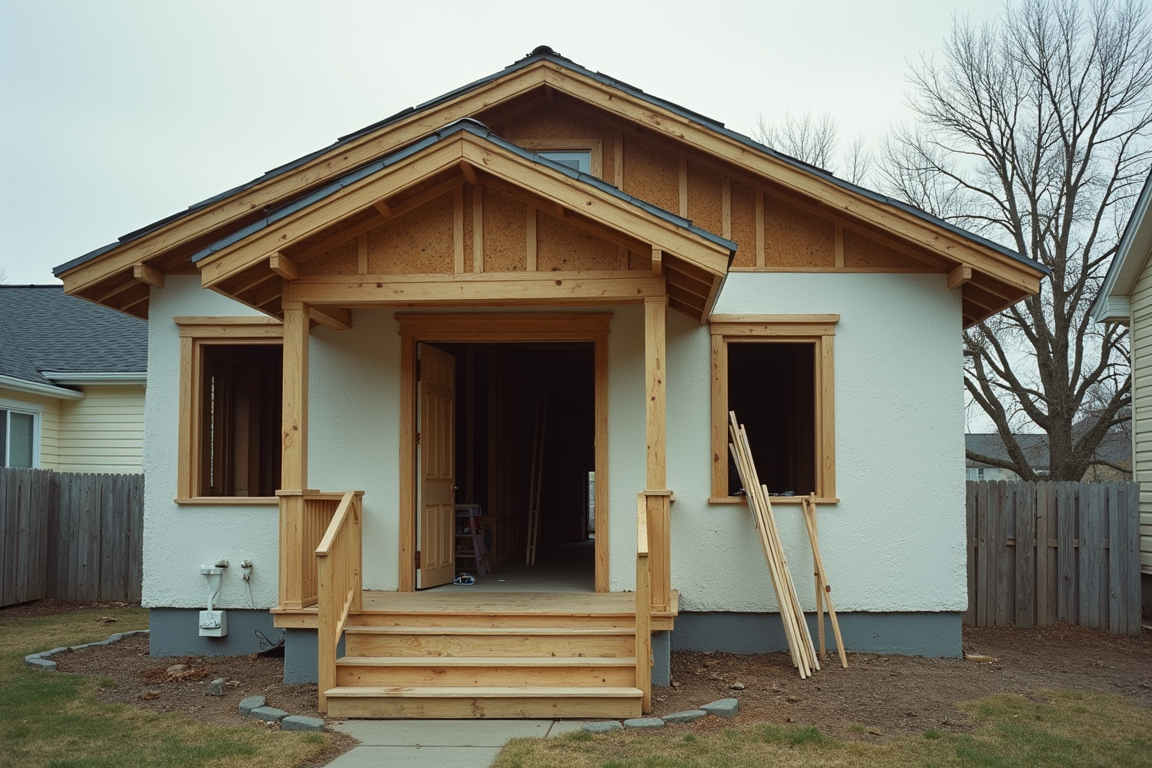
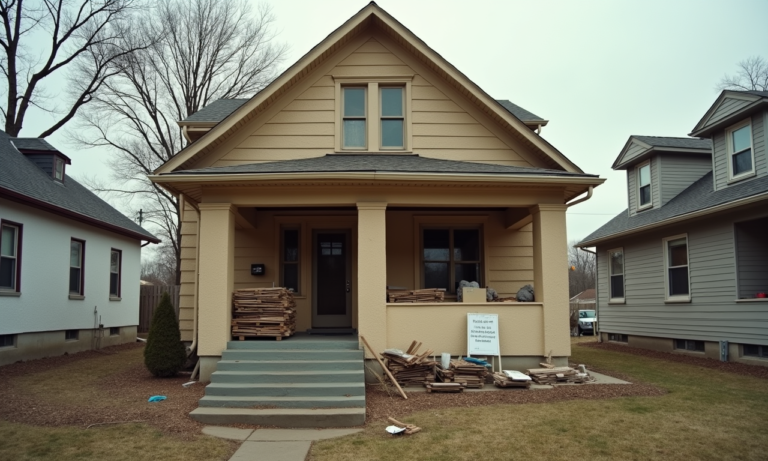
A fix and flip loan is approved on the deal, not your W-2. These are business-purpose loans for real estate investors. They are not available to someone buying a home to live in. If you are looking at primary residence financing, this page is not for you. What follows is the financing mechanics of a first flip: what lenders look for, what gets approved, and what causes declines.
How a fix and flip loan is structured
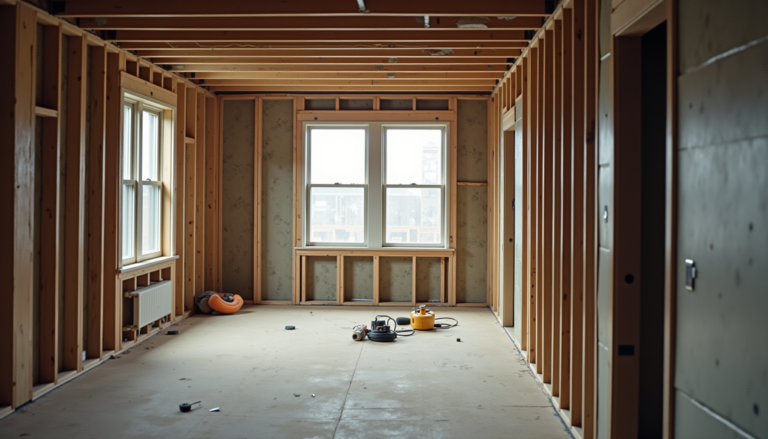
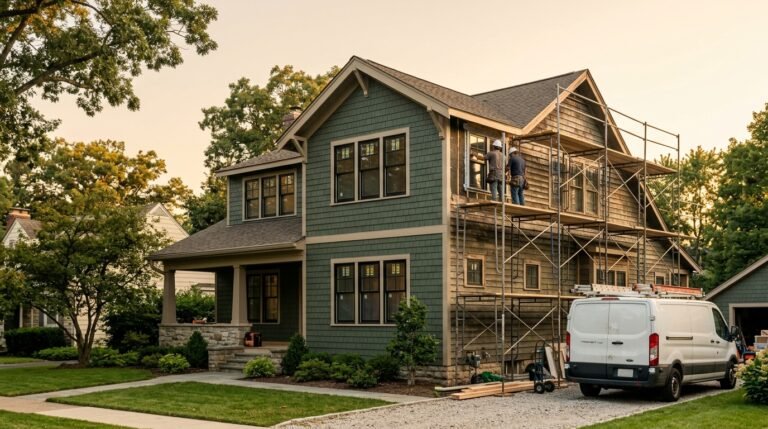
A fix and flip loan funds both the purchase and the renovation of an investment property. Most run 12 months, some to 18. The loan closes in two parts: the purchase advance, which releases at closing like any real estate transaction, and the rehab draw facility, which releases funds in stages as work is completed and inspected.
You do not receive the full rehab budget at closing. It comes out in tranches, typically four to six draws over the life of the project. Each draw requires an inspection: a third-party inspector visits the property, confirms the completed scope matches the draw request, and approves the release. Interest accrues only on the outstanding drawn balance, not the full commitment, so your carry cost in the early months is lower than the headline rate suggests.
The loan is sized against two ceilings: a percentage of total project cost (loan-to-cost, or LTC) and a percentage of the after-repair value (loan-to-ARV). You get the lower of the two. A first-time borrower typically accesses up to 80% LTC and up to 65% to 70% of ARV, depending on the lender and the deal. Experienced flippers with a documented track record can reach 85% to 90% LTC. That spread is where the first-timer premium shows up in your cash requirement at close.
See how our fix and flip loan program is structured for the full program overview.
The two bets a lender is making
A fix and flip lender is evaluating two separate questions. First: is this a good deal? That means purchase price relative to ARV, rehab budget relative to scope, and whether the comps actually support the number you are underwriting to. Second: can this borrower execute it? That means track record, contractor quality, and liquidity.
For an experienced flipper, the second question is answered by completed deals. For a first-timer, you answer it with everything adjacent to a completed deal: your contractor’s history, your contingency planning, your cash reserves, and the quality of the documentation you submit. A poorly documented file from an experienced borrower might get funded anyway. A poorly documented file from a first-timer usually does not.
Want terms on a specific deal?Answer seven questions and get a decision in 72 hours.
Get FundingThe document pack that gets a first-timer funded
These are business-purpose loans underwritten on the asset, not consumer mortgages. No tax returns are required. No pay stubs. What you do need:
A line-item rehab budget. Not “renovation: $60,000.” A scope broken out by trade: demolition, framing, electrical, plumbing, HVAC, insulation, drywall, tile, cabinetry, countertops, flooring, paint, trim, fixtures, landscaping. The budget should track to a specific scope of work. Lenders who review hundreds of these can spot a budget assembled without real bids. Competence shows in the line items.
Your contractor’s credentials. License number, insurance certificate, and a list of comparable completed projects. Not testimonials, actual verifiable projects. If your contractor is legitimate, compiling this takes an afternoon. If they resist providing it, that is a signal about the project risk, not the lender’s patience.
An executed purchase contract. The lender is underwriting a specific deal at a specific price. An LOI may work for an initial term sheet, but the file does not close without a signed contract.
Proof of liquidity. Bank or brokerage statements showing you have the cash to close plus required reserves. Most first-timer programs require 10% of the loan amount in reserves after closing, separate from the cash you bring to the table. Statements should show the balance arriving organically, not a large wire from an unexplained source right before you apply. Lenders verify source of funds on first deals.
For a detailed breakdown of borrower-side requirements, read hard money loan requirements: asset first, borrower second. For the full cash-in picture on a first flip, see how much cash you actually need to flip a house.
The numbers on a first-flip deal
Here is a worked example using round figures for a single-family flip in a mid-tier market. All numbers are illustrative; actual loan terms vary by lender, deal, and borrower profile.
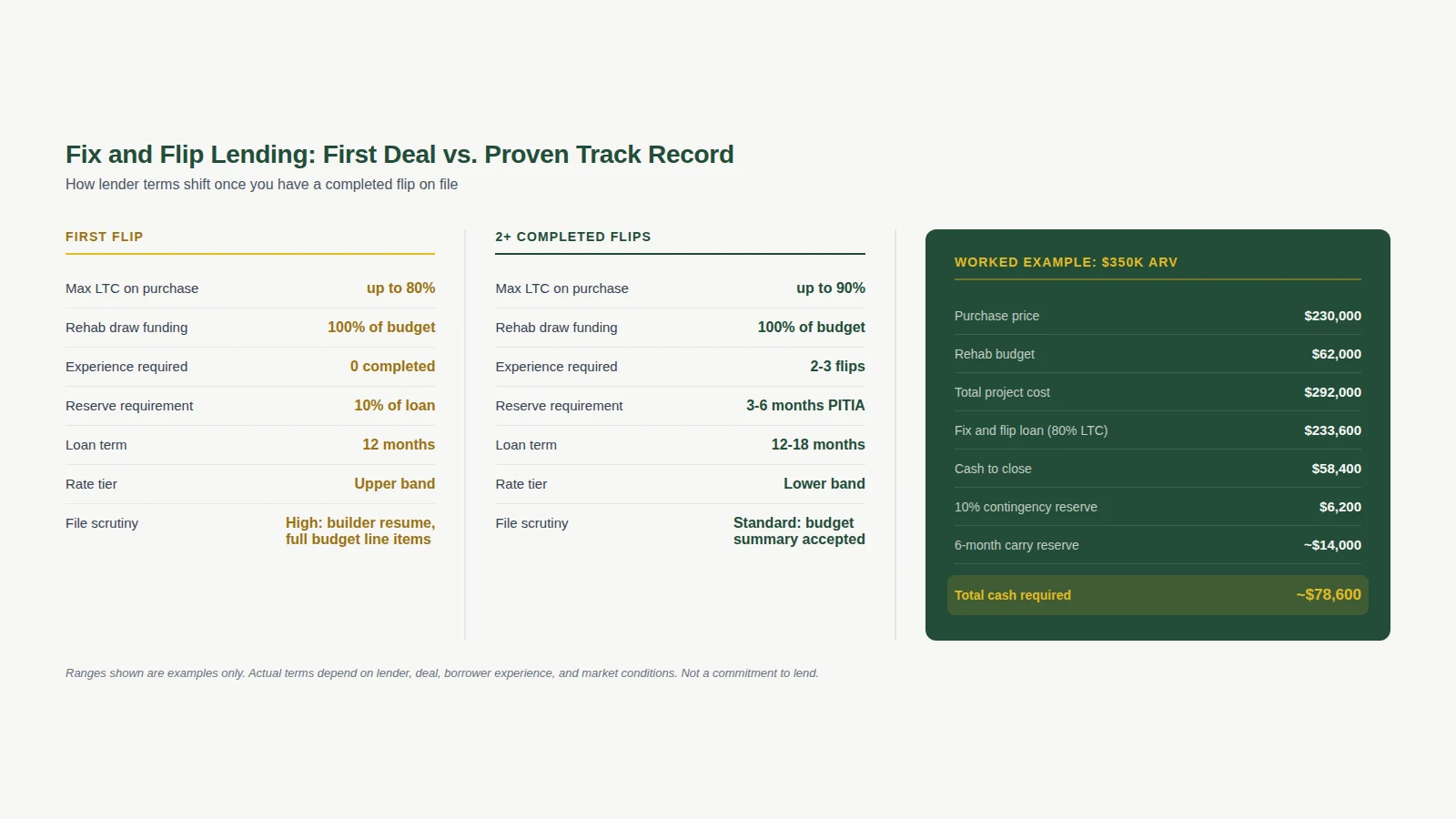
ARV: $350,000, supported by three sales comparables within a half-mile, all closed within 90 days. Purchase price: $230,000, roughly 66% of ARV before renovation credit. Rehab budget: $62,000 covering a full kitchen renovation, two bath updates, flooring throughout, exterior paint, roof repair, HVAC service, and landscaping. Total project cost: $292,000.
At 80% LTC for a first-timer: loan of $233,600. Cash to close: $58,400. The lender also requires 10% of the loan amount in post-close reserves: $23,360. Add six months of estimated carry costs at roughly $2,300 per month: $13,800. Total cash the deal requires: approximately $95,560. That is the number to compare against your actual available liquidity before you sign a purchase contract.
Run your own deal through the fix and flip calculator to check the math, and use the ARV calculator to verify whether your comparables support the value you are underwriting.
Why first-timer files get declined
Most first-timer declines come from three places. The first is a thin spread. If the ARV is $350,000 and you are paying $310,000, the math does not work at any LTC. Fix and flip financing requires buying at a meaningful discount to ARV. The model is built on that spread.
The second is a budget that does not hold up to scrutiny. If a lender’s internal cost benchmarks suggest a full kitchen-and-bath gut on a 1,400 square foot house runs $70,000 to $90,000 and your budget says $38,000, the underwriter asks for a detailed scope you may not have ready. The file stalls, not because you did anything wrong, but because the numbers do not match what the work costs in the current market.
The third is liquidity that looks engineered. First deals get more scrutiny on the source of funds. A bank balance that arrives from a single large transfer right before the application raises questions. Two months of statements showing consistent, organically grown liquidity do not. If your funds are a combination of savings, proceeds from another sale, and a draw on a HELOC, document each source clearly. Unexplained is the problem, not the source itself.
When the deal goes wrong: the caveat section
Fix and flip financing is a 12-month loan with the property as collateral. The failure mode is a project that does not close before the loan matures.
A renovation that runs three months over schedule on a 12-month loan means an extension negotiation. Extensions are not automatic. The lender will want updated comps, a revised completion schedule, and a fee. Extension fees typically run 1% to 2% of the outstanding loan amount per month. On a $233,600 loan, two months at 1.5% costs $7,008. That comes directly off the bottom line, and it does not come back if the project recovers.
A softening market between your purchase date and your list date is harder to solve. If comps move from $350,000 to $310,000 while you are mid-renovation, the spread you underwrote no longer exists. Buying with enough margin to absorb a 5% to 10% ARV miss is the only hedge the model gives you. There is no loan structure that protects you from buying at the wrong price.
Fix and flip financing is also the wrong tool for a property you decide to hold after the renovation. If your exit changes from sale to rental, you need a DSCR or term rental loan, and that refinance takes time and costs money that was not in your original deal model.
This loan type is not right for every investor or every deal. If your cash position is thin relative to the deal size, if you do not yet have a contractor you have worked with, or if you are still building the market knowledge to underwrite an ARV with confidence, the right move is a smaller deal or more preparation. A funded deal that goes sideways costs more than the deal you passed on.
To talk through a specific deal, call 917-842-9982.
Common questions
Can a first-time flipper get a fix and flip loan with no prior experience?
Yes. Experience affects pricing and LTC, not eligibility. A first-timer with a well-documented deal, a licensed contractor with completed projects, and sufficient reserves after close can get funded. The LTC offered will typically sit in the 75% to 80% range rather than the 85% to 90% that experienced borrowers access, and the file review will be more thorough. All loans are subject to underwriting and lender approval.
Does a fix and flip loan require a credit score minimum?
Most lenders pull credit as part of the file. It carries less weight than in a consumer mortgage because the loan is underwritten primarily on the deal and the exit. A score below 620 will limit your lender options and may push pricing higher. A score above 680 is generally sufficient for most fix and flip programs without credit becoming a separate issue to address.
How does the rehab draw process work?
After closing, you begin the renovation. At each milestone, you submit a draw request with photos and your contractor’s sign-off. The lender orders an inspection, typically completed within two to five business days. Once the inspector confirms the work matches the request, the draw amount wires to you. You are reimbursed for completed work, not prefunded. Build a float into your cash plan: there is always a gap between paying your subs and receiving the draw.
What happens if the renovation goes over budget?
The loan funds up to the approved rehab amount only. Any overages come from your own cash. This is why a 10% contingency reserve, built into your cash requirement from day one and not borrowed, is not optional. If overages are large enough to threaten the exit, your options are to sell at a lower price, inject more cash, or extend the loan and wait. None of those options are free.
Can a fix and flip loan be used on a multi-unit property?
Two- to four-unit properties are common fix and flip targets. The underwriting covers the same ARV-to-purchase spread and rehab scope. On a two-to-four unit, the lender may also consider the stabilized rental income as a secondary exit if the sale does not execute at the expected price. Properties above four units typically move into commercial bridge loan territory, which carries different sizing and underwriting criteria.
Ready to fund your next deal?
Approval within 72 hours. Close in 5 to 10 business days.
Get Funding Now