BRRRR Loan: How the Two-Loan Sequence Works and Where the Math Breaks
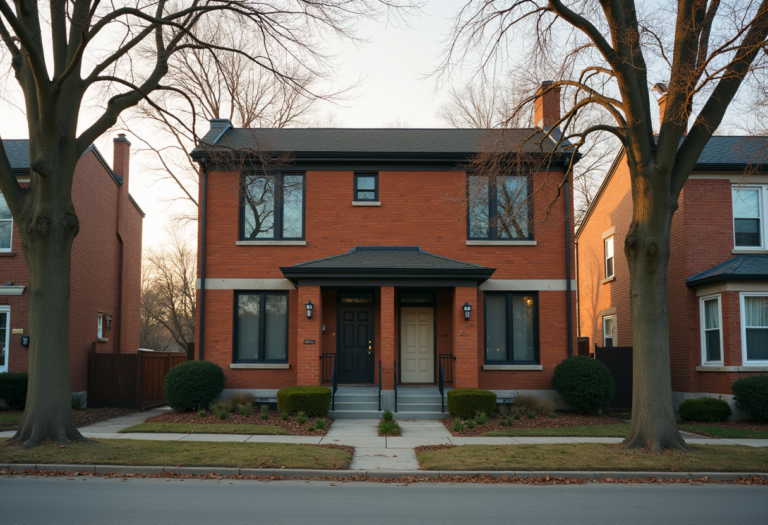
A BRRRR deal runs on two loans. Hard money or fix-and-flip financing covers the purchase and rehab. A DSCR cash-out refinance replaces it once the property is stabilized. Whether the deal works depends on ARV, rent coverage, and how long you sit in the first loan.
A BRRRR deal runs on two loans, not one. A hard money or fix-and-flip loan funds the purchase and rehab. A DSCR cash-out refinance replaces it once the property is stabilized and tenanted. Whether the deal pencils depends on three numbers: the appraised value coming in high enough to pay off the first loan at 75 percent LTV, the rent covering the DSCR test on the second, and the seasoning window not burning more carry than you planned for.
This post covers investment property financing only. A BRRRR loan is business-purpose lending for real estate investors. If you are looking for a conventional mortgage on a home you plan to live in, this is not the right product and we cannot fund it.
Loan 1: the hard money or fix-and-flip loan
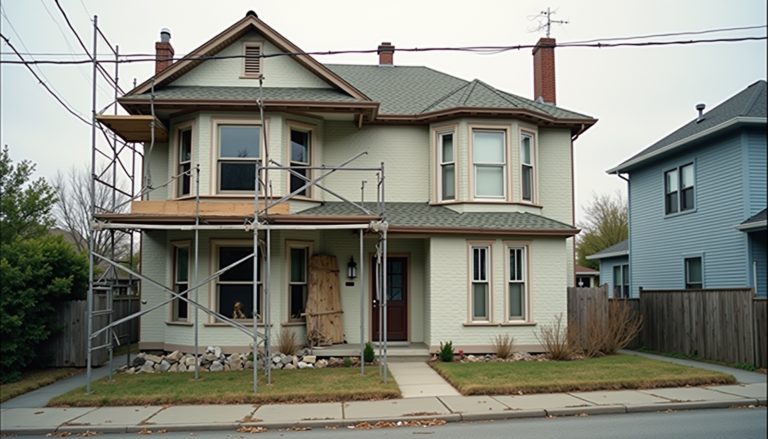
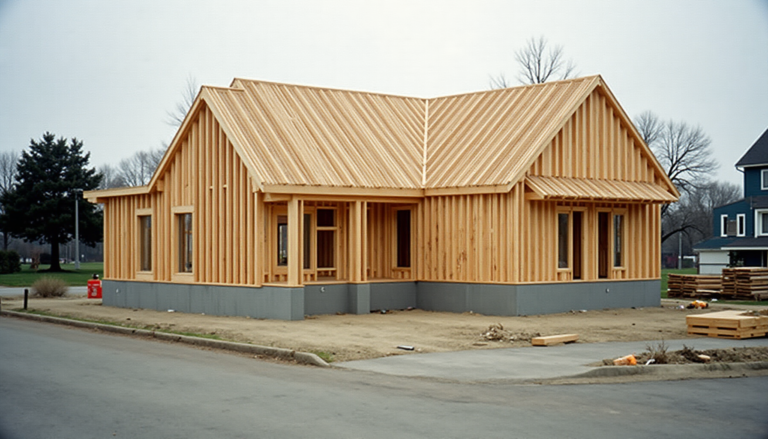
The first loan in a BRRRR covers the acquisition and the rehab. It is short-term, interest-only, and it advances the rehab budget in draws as work is inspected and approved. You are not receiving a lump sum for the renovation. You are being reimbursed after each milestone passes inspection. That distinction matters because it means the interest meter runs slowly in the early stages and accelerates as more of the budget is drawn.
Most hard money and fix-and-flip programs lend 80 to 90 percent of the purchase price and 100 percent of the verified rehab budget, subject to a ceiling of 70 to 75 percent of ARV. That ceiling is the constraint that defines whether a BRRRR deal is possible at all. If your purchase plus rehab costs more than 75 percent of ARV, the refi loan will not fully return your initial capital, and you are not actually recycling your equity, you are leaving it in the deal.
See our post on hard money loan rates and the real cost of a short-term loan for the drawn-balance interest math and the full cost breakdown across origination, carry, and exit fees.
Loan 2: the DSCR cash-out refinance
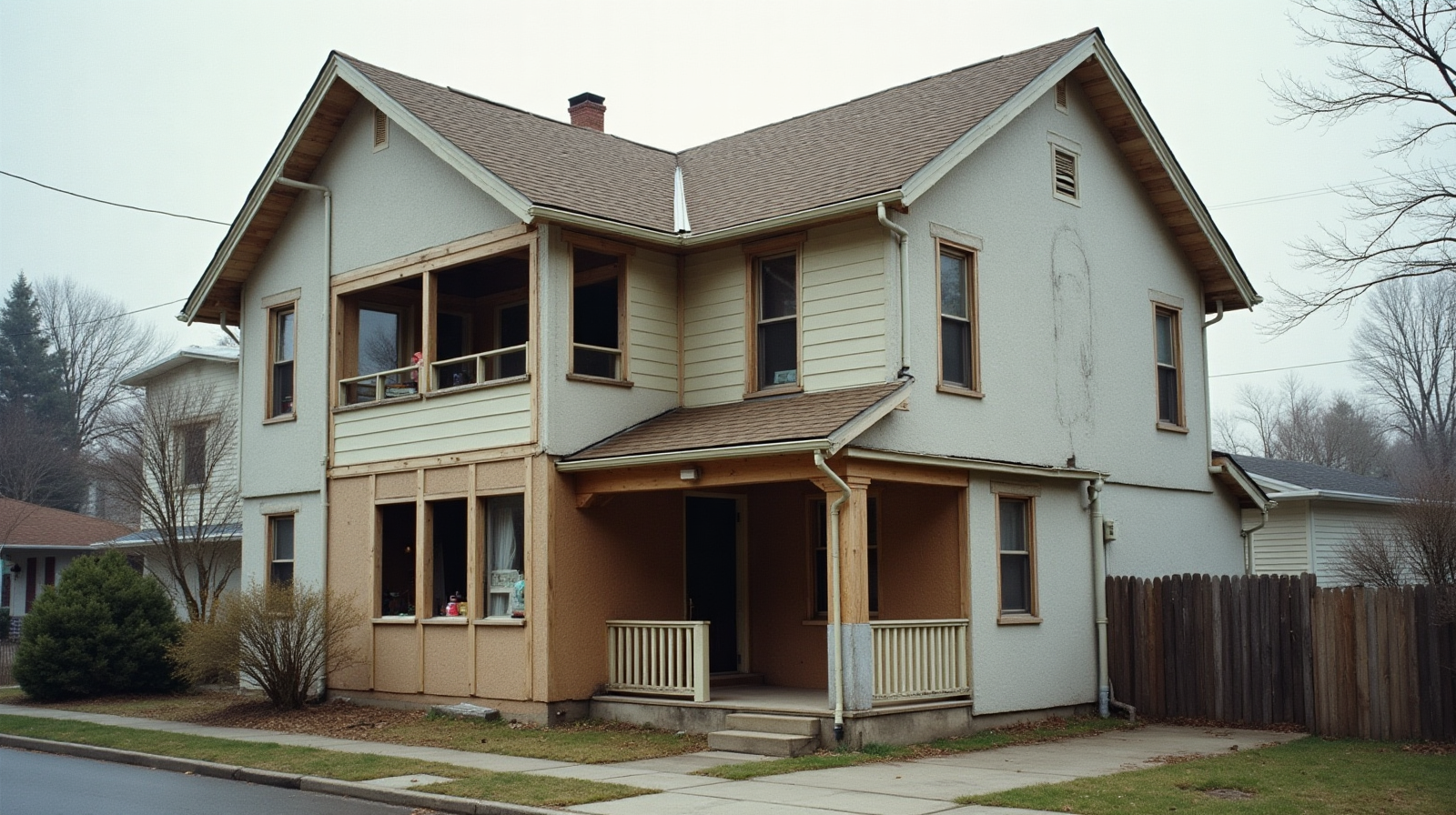
Once the property is renovated, stabilized (occupied or leased), and past any seasoning requirement, the DSCR loan takes out the hard money. This is a permanent loan, typically 30 years, with either a fixed rate or an adjustable starting point. It is based on the stabilized appraised value, not the purchase price, which is where the equity creation happens in a well-bought BRRRR deal.
Two things determine whether you qualify. First, the property must appraise at a value that allows the 75 percent LTV to cover the outstanding hard money balance. Second, the rent must support the DSCR test. Most DSCR programs calculate gross rent divided by PITIA: principal, interest, taxes, insurance, and HOA. The minimum is typically 1.0, and pricing tiers improve starting around 1.20.
You can run both tests before you close on the purchase. If the projected ARV will not support the payoff or the expected rent will not pass the DSCR, you know before you are committed to the deal. Use our BRRRR calculator to stress-test both numbers on a prospective deal before you sign the purchase contract.
Want terms on a specific deal?Answer seven questions and get a decision in 72 hours.
Get FundingThe full math on a $185,000 purchase
Here is a worked example. You buy a duplex for $185,000. Rehab budget: $65,000. Total project cost: $250,000. ARV target: $340,000, based on recent comps for renovated duplexes in the submarket.
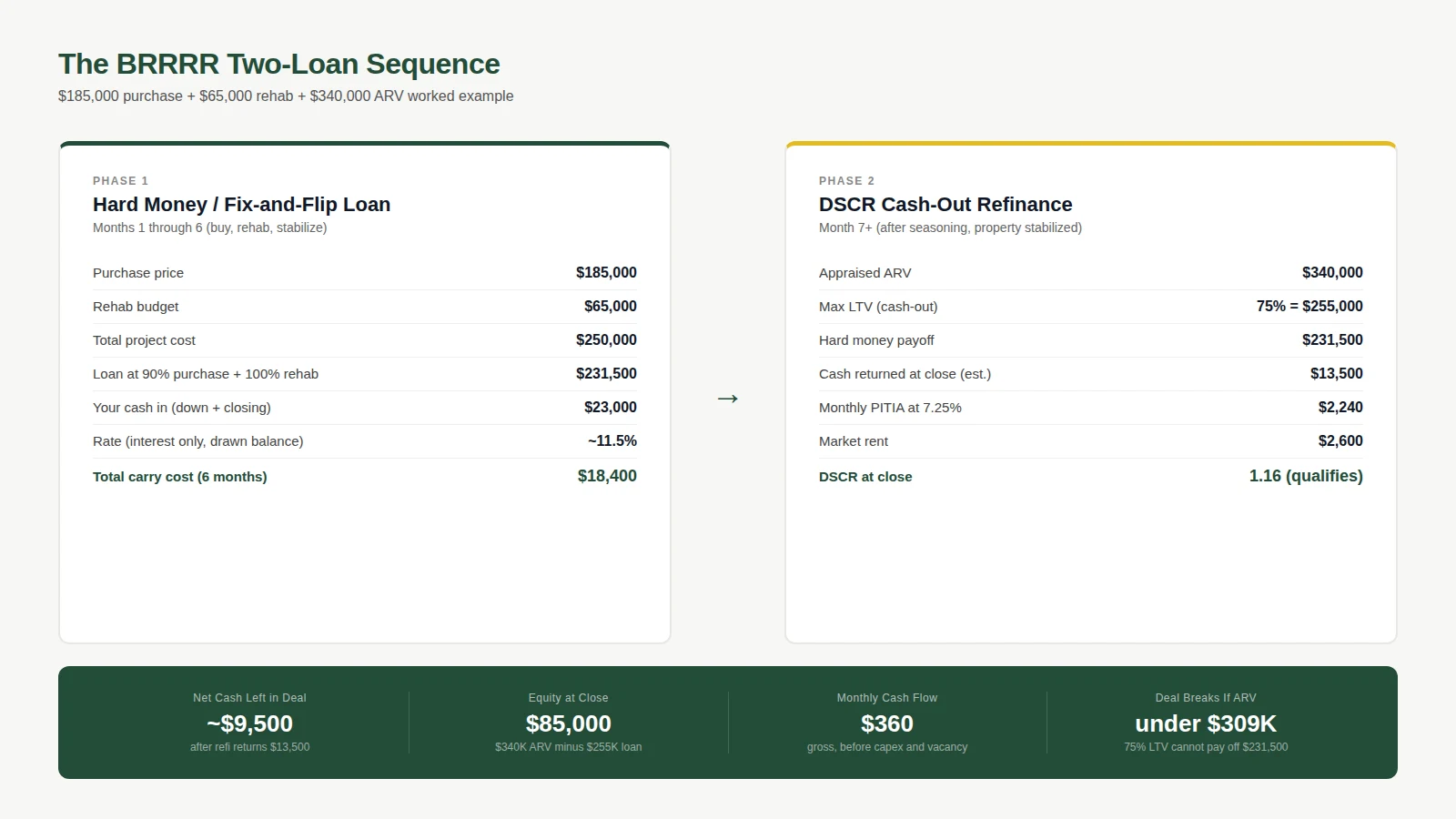
Phase 1: hard money. The lender advances 90 percent of the purchase price ($166,500) and 100 percent of the rehab budget ($65,000), totaling $231,500. Ceiling check: $231,500 divided by $340,000 is 68 percent, inside the 70 to 75 percent ARV cap. You bring approximately $23,000 to closing, covering the down payment and acquisition costs. Interest accrues at around 11.5 percent on the drawn balance. Over six months, with the acquisition funded upfront and rehab draws rolling in across months two through five, your average drawn balance runs approximately $195,000. That produces about $11,250 in interest. Add two origination points ($4,630) and a one-percent exit fee ($2,315), and the total carry cost over six months is approximately $18,200.
Phase 2: DSCR cash-out refi. The appraiser confirms $340,000. At 75 percent LTV, the new loan is $255,000. It pays off the $231,500 hard money balance and returns approximately $13,500 after closing costs, recovering most of your initial $23,000 cash in. Net cash remaining in the deal: roughly $9,500. Equity position: $340,000 minus $255,000 is $85,000.
DSCR test at a market rate of around 7.25 percent: monthly payment on $255,000 over 30 years is roughly $1,740. Add property taxes ($350) and insurance ($150) for a PITIA of $2,240. Market rent on the renovated duplex: $2,600. DSCR: $2,600 divided by $2,240 is 1.16. That qualifies and prices in the middle tier on most programs. Monthly gross cash flow: $360, before capital reserves, vacancy allowance, and property management.
Where the deal breaks
Most BRRRR failures trace to one of four places.
The ARV does not come in. If the appraiser values the finished duplex at $305,000 instead of $340,000, the 75 percent LTV is $228,750. The hard money balance is $231,500. The refi cannot pay it off. You are stuck in the hard money while you either pay down the balance, appeal the appraisal, or wait. At 11.5 percent on $231,500, every additional month costs roughly $2,220 in interest. The ARV shortfall has to be funded from your own pocket.
The rent does not support the DSCR. If the market softens and you can only achieve $2,100 in monthly rent, DSCR is $2,100 divided by $2,240, which is 0.94. The DSCR loan does not close. You can reduce the loan amount (which means bringing cash to the hard money payoff) or wait for rents to recover. Neither is free when the interest clock is running.
Rate environment shift. If DSCR rates have moved to 9.5 percent by the time you refi, the monthly payment on $255,000 is approximately $2,145. PITIA becomes roughly $2,645. At $2,600 rent, DSCR is 0.98 and the loan does not fund. A one-and-a-half point rate move between underwriting and close can flip a qualifying deal to a failing one. Check our DSCR rate tiers post for how pricing bands are structured and what moves you between them.
Seasoning window carry. Most DSCR programs require six months of title seasoning before a cash-out refi. If your rehab runs long and stabilization takes another month, you can sit in the hard money for eight or nine months before the refi closes. The extra carry is not optional and is not recoverable. Our post on BRRRR refinance seasoning requirements covers the three-month, six-month, and twelve-month rules by lender tier.
When BRRRR is wrong for you
BRRRR works when your ARV cushion is large enough to clear the 75 percent LTV ceiling on the refi and your rent is strong enough to pass the DSCR test at a realistic market rate. If either number is tight before you buy, the strategy becomes a bet on two simultaneous outcomes you do not fully control.
It is wrong for you if your all-in cost already exceeds 72 percent of ARV before construction begins, because the refi math will not return meaningful capital. It is wrong if the submarket has high vacancy or flat rents relative to property values, because you may technically qualify for the DSCR loan while the property does not cash-flow after vacancy and reserves. It is wrong if your contractor has never worked on a draw-schedule loan, because inspection delays and draw disputes extend the hard money hold and every extra month costs real money in interest.
It is also not for someone buying a home to live in. Every loan in a BRRRR sequence is business-purpose investment financing only. It cannot be used for owner-occupied purchases and is not subject to standard consumer mortgage protections.
If you want to run the numbers on a specific deal or talk through whether a property fits the BRRRR structure, call 917-842-9982 or visit our BRRRR loan program page for current terms and experience requirements.
Common questions
Can I use a DSCR loan for both phases of a BRRRR, or do I need hard money first?
DSCR loans require a stabilized, tenanted property and an appraisal based on current value, not future value. They do not advance funds for renovation work. You need a hard money, bridge, or fix-and-flip loan for the buy and rehab phase, then refinance into DSCR once the property is finished and occupied. Some lenders offer both products, which can simplify the transition and reduce the total number of closings.
How long do I have to wait before I can cash-out refinance a BRRRR into a DSCR loan?
Most DSCR lenders require six months of title seasoning before a cash-out refinance, measured from the date you took title. Some programs allow a rate-and-term refi with no seasoning, but the cash-out option, which is the step that returns your capital, typically requires six months. A small number of programs allow cash-out at three months with strong documentation of the purchase price and rehab costs. See our post on BRRRR seasoning requirements for the full breakdown by lender tier.
What happens if my BRRRR property does not appraise at the ARV I planned for?
The DSCR loan is capped at 75 percent of the appraised value, not your projected ARV. If the appraiser comes in low, you have three options: pay down the hard money balance to reach the 75 percent ceiling at the lower value, request a reconsideration of value with stronger comps, or extend the hard money and wait. Each option has a direct cost. The cleanest protection against appraisal gap is to underwrite conservatively, running the deal math at 85 to 90 percent of your ARV estimate before you commit to the acquisition.
Do I have to personally guarantee a BRRRR hard money loan?
Most business-purpose hard money lenders require a personal guarantee on loans under roughly $5 million, regardless of whether title is in an LLC. The guarantee is typically a carve-out structure, meaning the lender can pursue personal assets if you commit fraud, environmental damage, or waste. On a standard payment default, they foreclose on the property. An LLC provides useful liability separation for other purposes, but it does not eliminate the personal guarantee on the loan itself.
What minimum DSCR do I need to qualify for the refinance?
Most DSCR programs require a minimum of 1.0 to qualify, with pricing improving at 1.20 and above. A 1.0 DSCR means rent exactly covers the PITIA payment, which qualifies but lands at the highest rate tier. A DSCR below 1.0 typically requires a larger down payment or a no-ratio program at a higher rate. For BRRRR deals where you are trying to maximize the loan amount to recapture capital, a DSCR of 1.15 or higher gives you the most room on LTV and pricing.
Ready to fund your next deal?
Approval within 72 hours. Close in 5 to 10 business days.
Get Funding Now